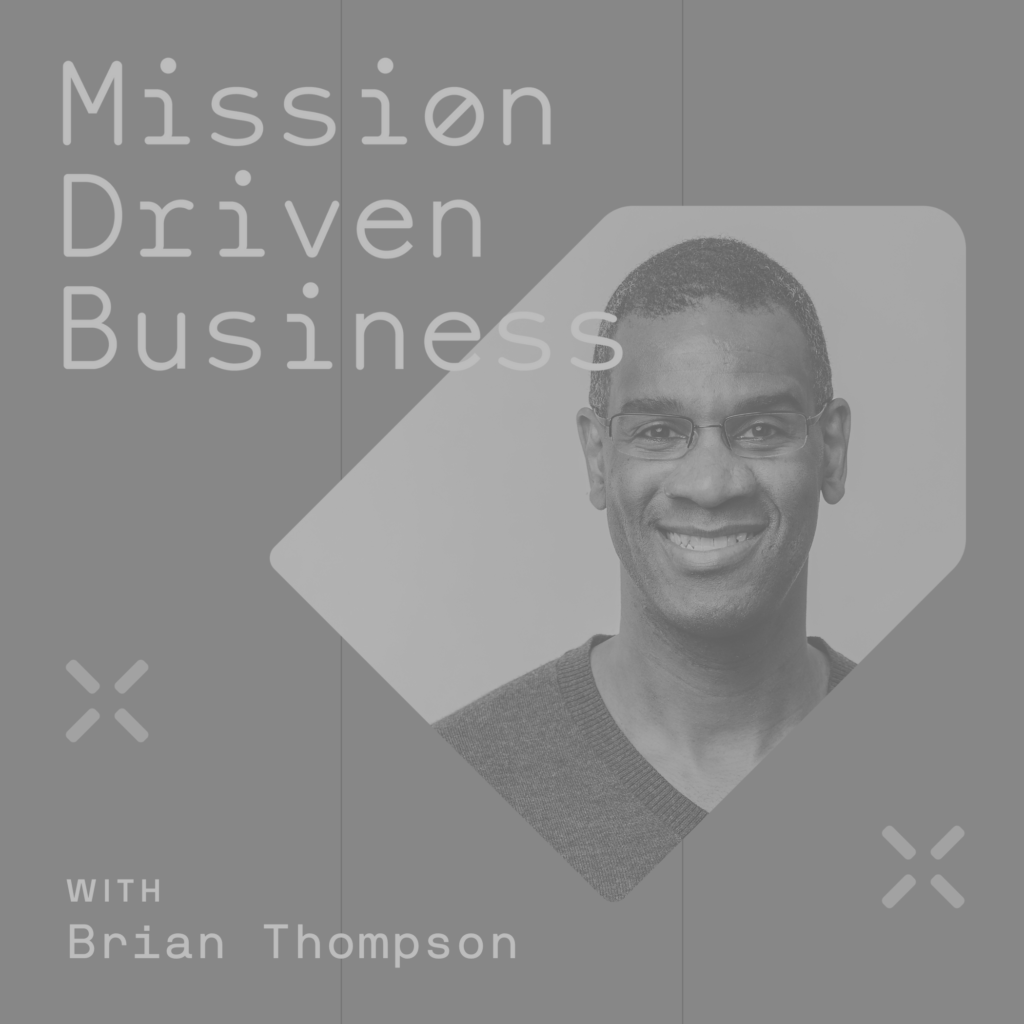
Refining spreadsheets, workflows, and checklists can create a highly functional business, yet administrative tools cannot solve every foundational hurdle. In this episode, Brian Thompson discusses how the constant pursuit of optimization can transform into a shield against deeper business and personal challenges. He breaks down the distinct difference between scheduling time and managing true emotional capacity, addresses the hidden pressures of constant achievement, and outlines how choosing to simplify your operations can provide real relief.
Real Capacity Cannot Be Optimized
A few years into his business, Brian appeared highly successful from the outside. He was writing for Forbes, speaking at conferences, growing his business, and managing a full client load. At the same time, he was navigating intense personal transitions, including a divorce. He attempted to manage the resulting stress by streamlining his processes and pushing for more efficiency, believing that a better system would give him the breathing room he needed.
Eventually, he realized that he was facing a capacity problem rather than an efficiency problem. No amount of optimization could generate emotional energy or replace necessary recovery. He had to step back from everything to recognize that reorganizing a to-do list was acting as avoidance of discomfort. It was easier to rearrange the list than to ask if those tasks belonged on it in the first place.
The Subtle Trap of Doing More
The modern business culture constantly encourages entrepreneurs to grow, scale, and automate. The rise of artificial intelligence tools has amplified this pressure by making extreme efficiency look achievable. While these tools are highly valuable, they can lead business owners to treat every personal or operational hurdle as a productivity flaw.
When entrepreneurs face overwhelm, missed deadlines, or a lack of forward momentum, they often blame their own discipline or time management. Often, the true issue is that they have simply agreed to too much. This pattern is especially common for people pleasers. A new calendar or application cannot fix a business that is misaligned with the owner’s core values. True resolution frequently requires subtraction instead of addition.
Productivity and Capacity Are Distinct in Business
A perfectly structured schedule does not guarantee that an entrepreneur is well-rested. Systems can manage time, but they do not process grief, heal burnout, or build true resilience. Business owners frequently carry invisible burdens, including financial pressures, family needs, health challenges, and the responsibility of supporting clients and teams. True business health requires acknowledging these human realities instead of trying to build a system around them.
This relationship with achievement often has distinct roots within the LGBTQ community. Many marginalized individuals learn early in life that acceptance can feel conditional on performance. Achievement can easily transform into a survival strategy to prove personal worth. While ambition is positive, entrepreneurship offers an opportunity to shift away from constant performance. True alignment comes from building a business that reflects who you are rather than how much you can produce.
The Courage to Simplify Your Business
Choosing to simplify a business often requires more courage than choosing to optimize it. It is structurally easier to add a new offer or adopt another strategy than it is to eliminate existing elements. Simplification forces entrepreneurs to make difficult decisions about what is genuinely essential and to let go of projects that are good but unnecessary.
Brian experienced this firsthand when he made the terrifying but rewarding decision to niche his practice down to serve entrepreneurs. The most significant breakthroughs often follow the removal of misaligned obligations. Growth frequently comes from trusting yourself enough to do less.
Your Action Step
This week, take a piece of paper and answer three specific questions:
- What am I trying hardest to optimize?
- Why does that specific area feel so important?
- What would simplification look like in this scenario?
Allow yourself to sit with the answers without rushing. You may discover that the process you are trying to perfect simply needs less of your attention. If this conversation helped you reflect on your own operational habits, share it with another business owner who might need permission to slow down and simplify.
Resources + Links
- Newsletter Sign Up
- Follow Brian Thompson Online: Instagram, Facebook, LinkedIn, X, Forbes
- Follow & review the podcast: on Spotify and Apple Podcasts
About Brian and the Mission Driven Business Podcast
Brian Thompson, JD/CFP®, is a tax attorney and Certified Financial Planner® who specializes in providing comprehensive financial planning to LGBTQ+ entrepreneurs who run mission-driven businesses. The Mission Driven Business podcast was born out of his passion for helping social entrepreneurs create businesses with purpose and profit.
On the podcast, Brian talks with diverse entrepreneurs and the people who support them. Listeners hear stories of experiences, strength, and hope and get practical advice to help them build businesses that might just change the world, too.