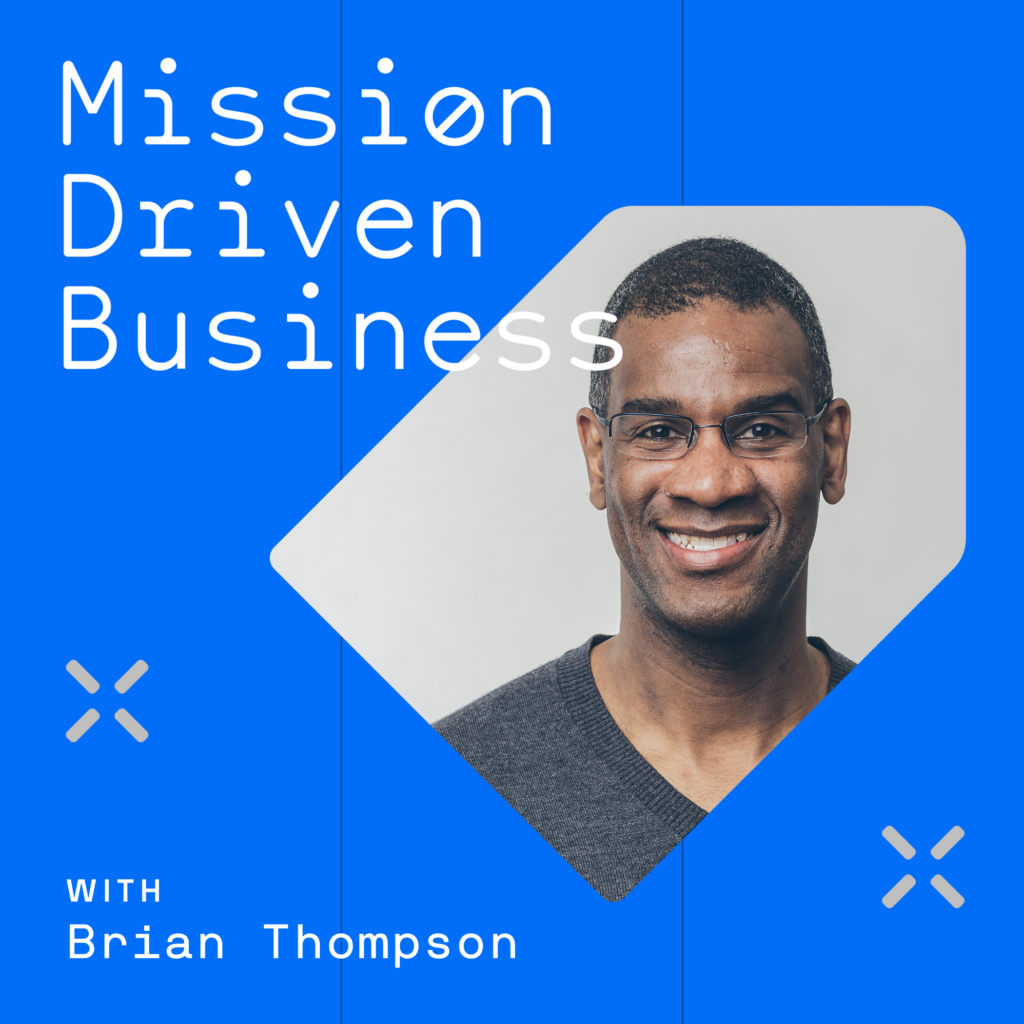
The halfway point of the year is one of the most valuable moments in any business. You have enough data from the first six months to see real patterns, and enough time before December to do something about them. In this episode, Brian Thompson shares the CASH framework, a simple financial reset that any entrepreneur can complete in under an hour, and makes the case that reviewing your numbers is not about judgment. It is about gathering the information you need to make better decisions in the second half of the year.
What Your Financial Statements Are Really Saying
Brian confesses that he genuinely loves this time of year. He spent part of his holiday weekend updating his color-coded financial spreadsheet, and he found the process energizing rather than stressful. For many business owners, opening your books and looking at financial reports feels intimidating. Your bookkeeping might not be caught up or there may be the fear that the numbers will reveal some kind of failure. Your financial statements are not a report card. They are a GPS. They do not tell you whether you are a good entrepreneur. They tell you where you are so you can decide where you want to go next. The goal of a mid-year review is not to assess how well you performed. It is to gather information so you can make better decisions for the next six months.
How to Use the CASH Framework
C: Check Your Numbers
The first step is simply looking at what you have. No judgment, no criticism, just information. If bookkeeping has been pushed aside, this is the invitation to get caught up. Pull up your profit and loss statement, review your balance sheet, and check your bank balances. If you use the Profit First system, look at each account and see where things stand at the end of the quarter. Then ask a few simple questions:
- How much revenue have I generated so far this year?
- Am I actually profitable?
- How much cash do I have available today?
- And what surprises me about what I am seeing?
Get curious about your numbers, it creates learning. Where judgment will only create avoidance. If the numbers are better than expected, celebrate. Entrepreneurs do not celebrate themselves enough. If they are worse than expected, you now have information you can use, and information is always better than uncertainty.
A: Assess Your Spending
Revenue gets most of the attention, but expenses have a story to tell too. Look through your biggest expense categories, typically payroll, contractors, marketing, software, professional services, or travel, and ask one question for each: “Is this expense helping my business become what I want it to be?” The question is not whether something is too expensive. It is whether it is valuable. A useful thought experiment is asking whether you would make the same purchase again if you were starting the business today.
Mid-year is also a good time to check whether spending reflects values. If innovation matters to the business, is there investment in learning? If time is a priority, is there investment in systems or delegation? If community is a core value, is money being spent in ways that strengthen relationships? Money has a way of revealing priorities, whether we intend it to or not.
S: Strengthen Your Cash Flow
Cash flow is what determines whether you sleep well. Profit matters, but cash flow creates peace of mind. The questions to ask here include:
- How predictable is my income?
- Do I know where revenue will be in the next three months?
- How dependent is the business on one or two clients?
- Are invoices being paid on time? Is money being set aside consistently for taxes?
For those using Profit First, check whether allocation percentages still make sense and whether any account is consistently running short.
H: Head Into the Second Half of the Year With Intention
The final step is deciding what to do with everything you have just learned, but resist the temptation to create a long to-do list. Instead, choose three actions:
- One expense to eliminate or reduce
- One investment to make or continue
- One financial goal to accomplish before the end of the next quarter
Goals could look like hiring a virtual assistant, raising prices, canceling unused software, or finally building an emergency fund.
Your Action Step
Sometime this week, schedule a meeting with your business. Not with clients, not with the team, with the business itself. Use whatever tool works for you, a color-coded spreadsheet, QuickBooks, Wave, or Xero, and work through the CASH framework. Check your numbers, assess your spending, strengthen your cash flow, and head into the second half with intention. Businesses that thrive are not the ones that never experience challenges. They are the ones that look honestly at where they are, learn from what they see, and make thoughtful adjustments. If this episode was helpful, share it with another entrepreneur who could use a mid-year reset.
Resources + Links
- Newsletter Sign Up
- Follow Brian Thompson Online: Instagram, Facebook, LinkedIn, X, Forbes
- Follow & review the podcast: on Spotify and Apple Podcasts
About Brian and the Mission Driven Business Podcast
Brian Thompson, JD/CFP®, is a tax attorney and Certified Financial Planner® who specializes in providing comprehensive financial planning to LGBTQ+ entrepreneurs who run mission-driven businesses. The Mission Driven Business podcast was born out of his passion for helping social entrepreneurs create businesses with purpose and profit.
On the podcast, Brian talks with diverse entrepreneurs and the people who support them. Listeners hear stories of experiences, strength, and hope and get practical advice to help them build businesses that might just change the world, too.